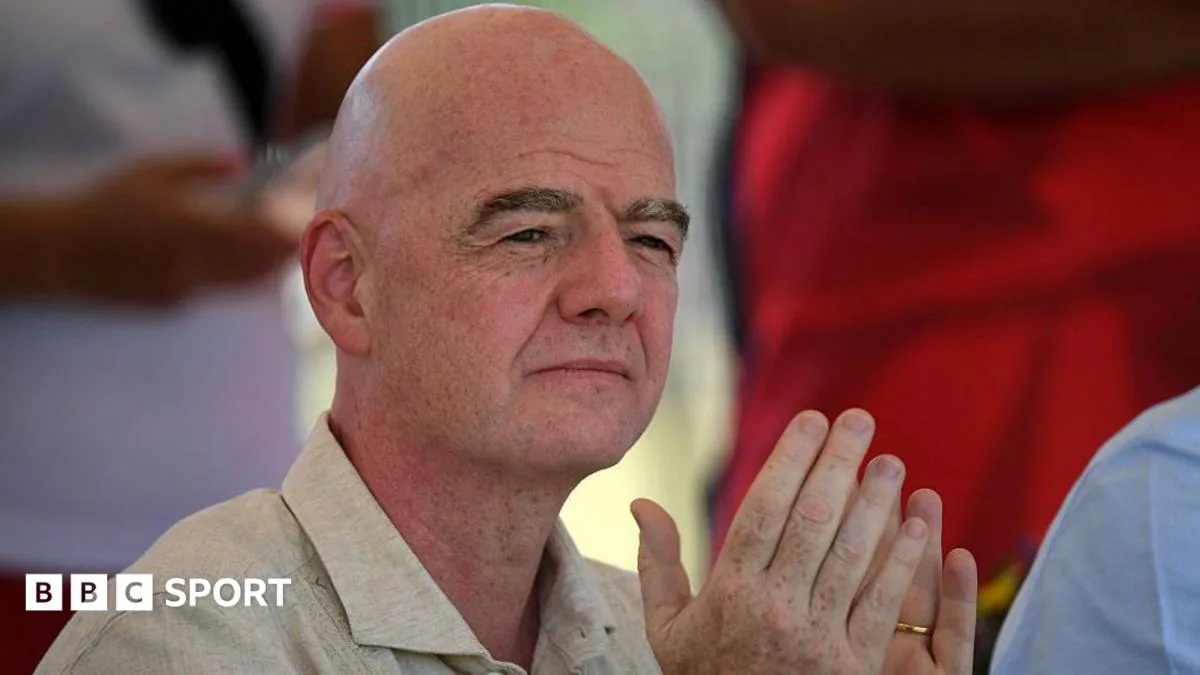
Infantino’s position under scrutiny
FIFA President Gianni Infantino is facing increased pressure following a backlash against his abandoned plan to sell stakes in the World Cup and other competitions to private investors. While Infantino was previously considered a strong candidate for re-election next March, with many of FIFA’s 210 members endorsing his bid for a fourth term, the situation has shifted significantly. The global football community is now divided on whether he should remain in his role.
The controversy intensified when UEFA (Europe), Concacaf (North America), and the Asian Football Confederation (AFC) issued a joint letter. This letter accused Infantino and FIFA of breaking trust through “deception.” The three continental governing bodies collectively represent 136 member associations, marking a significant coalition against the current FIFA leadership.
The open letter, co-signed by UEFA President Aleksander Čeferin, AFC President Salman Bin Ibrahim Al-Khalifa, and Concacaf President Victor Montagliani, along with their general secretaries, stated that when trust is broken through deception, and an individual places themselves above the collective, that duty has been abandoned. They emphasised that football belongs to players, fans, clubs, member associations, and institutions safeguarding its future, not to any single individual or institution.
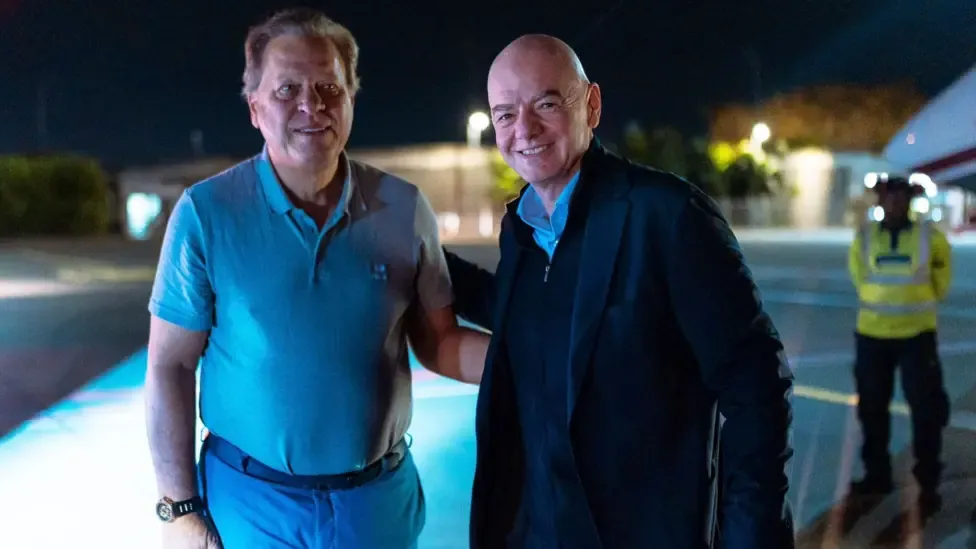
The letter further criticised Infantino’s conduct, describing it as that of someone who believes the game is answerable to him, rather than a custodian of the sport. It concluded by stating that these are not the qualities football deserves in its leadership, prompting their collective stance out of duty to the game.
Divisions and potential challengers
The global support for Infantino is far from unified. While an estimated 73 member associations currently support him, 124 are in opposition, and 13 remain undecided. This picture is fluid and could change in the coming months. Several European countries, including England and Wales, have formally withdrawn their letters of support for Infantino’s re-election.
Despite the widespread criticism, Infantino still retains strong allies, particularly within Africa’s Caf and South America’s Conmebol. These confederations have reportedly benefited from increased investment since Infantino took office a decade ago. This investment could be crucial in securing votes from nations within the AFC, Concacaf, and the Oceania Football Confederation (OFC), especially those that have significantly benefited from the FIFA Forward programme, which has made billions of dollars available for investment.
Within the confederations that have voiced opposition, there are dissenting members. For instance, Bhutan, the Philippines, and the UAE within Asia have backed Infantino. Similarly, Mexico has supported Infantino, breaking ranks within Concacaf. The USA and Canada have supported Concacaf’s statement but have not explicitly declared opposition to Infantino’s leadership.
Asia is considered a potential swing region, with many associations yet to declare their position. Saudi Arabia, which was awarded hosting rights for the 2034 World Cup during Infantino’s tenure, has not taken a public stance. Its football leadership elections in August could influence its position and affect other nations in the region.
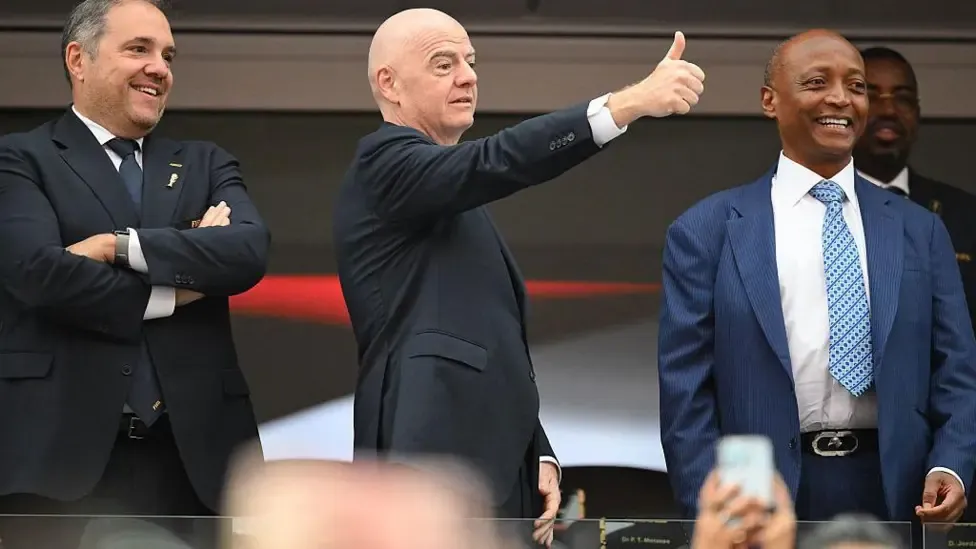
The OFC has not made any public comment since the controversy began, nor have any of its members. The OFC stated it would release a statement following a meeting on Thursday.
Outside of football, US President Donald Trump has publicly defended Infantino in a social media post. Trump stated that FIFA would be making a “terrible mistake” if they considered replacing Infantino, praising his leadership during what he described as the most successful World Cup ever presented.
Future of FIFA leadership
Infantino has not indicated any desire to step down, but his tenure could potentially end by autumn if 19 of the 37 FIFA Council members call for an emergency meeting to force his resignation. Such a meeting would need to take place within a fortnight of being called. The council comprises nine members from UEFA, seven from AFC, six from Caf, five from Concacaf, five from Conmebol, and three from Oceania, along with Infantino and FIFA secretary general Mattias Grafstrom.
Given the council’s composition, this approach is considered unlikely. The more probable scenario involves a candidate standing against Infantino in the election next March. No one has yet declared their candidacy, but if the leaders of UEFA, Concacaf, and AFC are serious about removing Infantino, uniting behind a single candidate is seen as their most effective strategy.
Historically, other confederations have expressed frustration over European dominance in football, its competitions, and wealth. This context might explain why Concacaf President Victor Montagliani has been frequently mentioned as a potential challenger to Infantino. Another possibility is AFC President Sheikh Salman, whose candidacy could sway some Asian associations currently supporting Infantino.
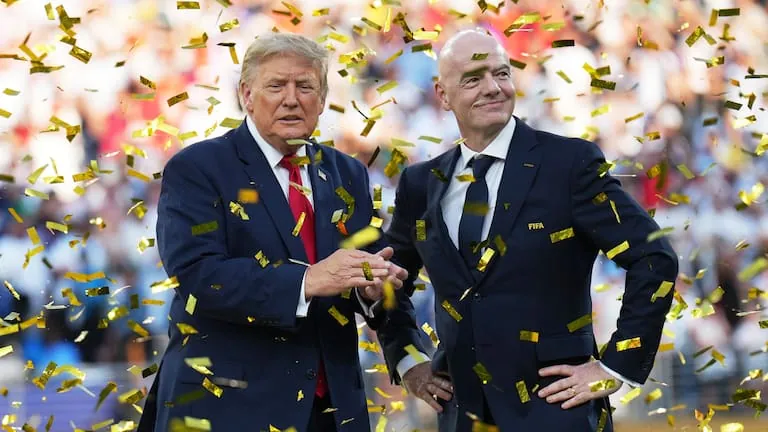
The deadline for candidates to announce their intention to stand is November. FIFA, in a statement released on Saturday, defended Infantino against what it termed a “concerted and ongoing effort” to undermine his leadership.
Source: bbc.com